Eyeing a condo in Uptown Charlotte but unsure where to start? You want a secure, low-maintenance home base that fits your schedule, your work, and your lifestyle. In this guide, you’ll learn how each Uptown ward lives, which building types match your priorities, how amenities and HOAs shape long-term costs, and how views and parking influence value. Let’s dive in.
Why Uptown works for lock-and-leave
Uptown is Charlotte’s business and cultural core, with corporate offices, museums, arenas, and stadiums all within a walkable grid. You can step out for a client dinner, catch a show, or walk to meetings without lengthy commutes. Transit access is strong, with the LYNX light rail and bus network connecting Uptown to surrounding neighborhoods. If you travel often, a staffed building with secure parking and package handling can make life simpler.
Choose your Uptown ward
First Ward: boutique and neighborhood feel
If you prefer a quieter residential setting close to the core, First Ward often delivers. You’ll find boutique mid-rise buildings and mixed-use developments with patios or terraces, tree-lined streets, and pocket parks. It is a strong fit if you want the convenience of Center City with a more relaxed, residential tone.
Second Ward: close to corporate centers
Second Ward sits by major office towers and government buildings, which makes it ideal if you want a short walk to work. High-rise and luxury towers are common, often with concierge services and ground-floor retail. Expect modern finishes, strong vertical views, and easy access to the financial district.
Third Ward: arts, sports, and energy
Third Ward brings an active vibe with cultural venues and sports nearby. You’ll see newer luxury towers, rooftop amenities, and some conversion lofts. The energy is part of the appeal, though event days can raise noise levels around lower floors and street-facing units.
Fourth Ward: historic charm and walkability
Fourth Ward blends Victorian-era character with small-scale residential buildings. Boutique conversions and smaller mid-rises are common, and streets are lined with mature trees and small parks. If charm and a walk-everywhere lifestyle top your list, this ward is worth a close look.
Considering South End
If you love Uptown’s access but want a different mix of buildings and price points, South End sits just to the south with newer high-rise options and light rail connectivity. Many buyers compare both areas before deciding.
Building types and who they suit
High-rise luxury towers
- Best for: Executives wanting concierge or valet, strong security, and skyline views.
- Pros: Full-service amenities, on-site management, modern finishes, and dramatic views.
- Cons: Higher HOA fees, reliance on elevators, and potential event noise depending on floor and orientation.
Mid-rise and boutique buildings
- Best for: Buyers seeking a quieter residential vibe and more modest dues.
- Pros: Lower HOA fees relative to full-service towers, intimate scale, and simpler elevator logistics.
- Cons: Fewer amenities and potentially limited or surface parking.
Historic loft conversions
- Best for: Architecture lovers who value unique layouts and character.
- Pros: Tall ceilings, distinctive finishes, and lots of personality.
- Cons: Older systems, potential retrofit costs, and limited amenities.
Mixed-use podium buildings
- Best for: Urban enthusiasts who want restaurants and shops right downstairs.
- Pros: Immediate access to retail and strong walkability.
- Cons: More street noise on lower floors and busy sidewalks during events.
Floor plan essentials that work
- Primary suite privacy: Look for an enclosed primary bedroom set away from living areas. Direct access to laundry, a walk-in closet, and an en suite bath adds everyday convenience.
- Dedicated office or flex room: A private office or well-separated niche with natural light and sound isolation supports remote work.
- Open space with smart separation: Open living plans maximize light and views. Ensure bedrooms sit away from the main living area for noise control.
- Storage that enables travel: Extra closets, a storage room, or locked storage in the building helps you lock and leave without clutter.
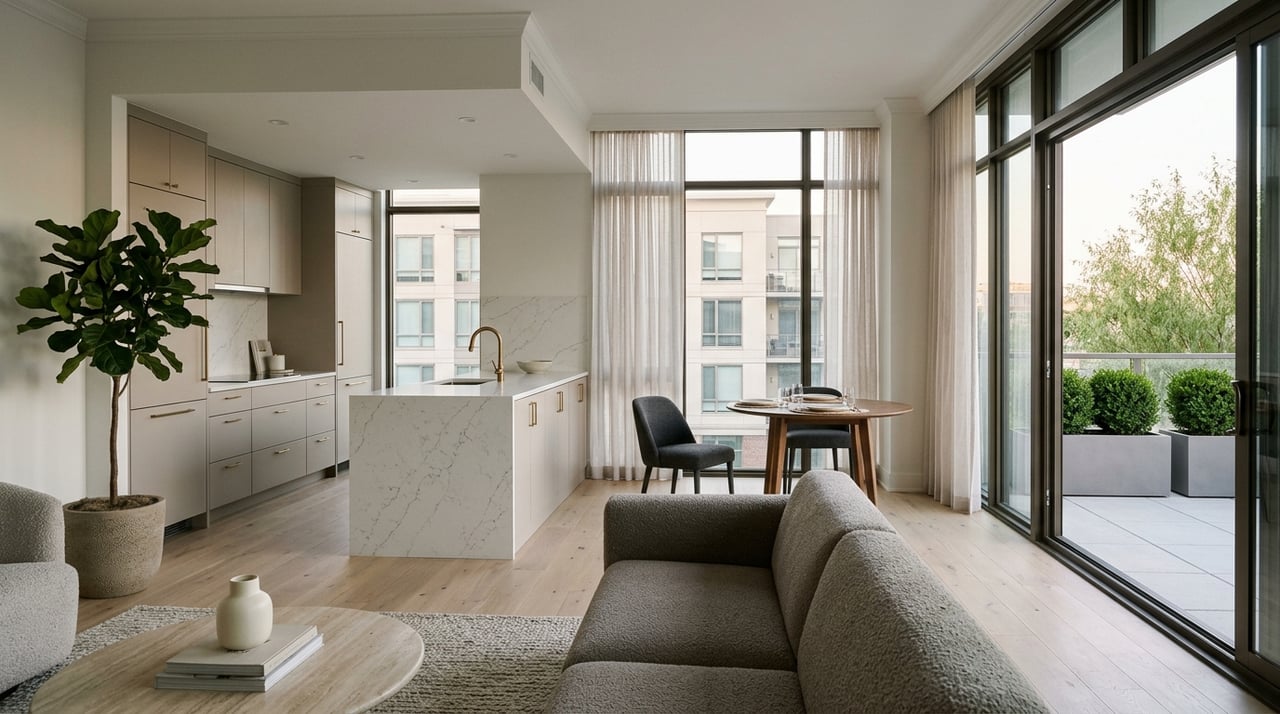
- Outdoor space that you’ll use: Balconies elevate daily life. Higher floors offer privacy and wider views, with more wind exposure to consider.
- Windows and orientation: Floor-to-ceiling glass boosts light and views but can increase cooling needs. South or west exposures may run warmer in the afternoon.
- HVAC and systems: Central systems covered by HOA maintenance can simplify ownership. Whether central or individual units, check ages and service records.
- Noise and elevator logistics: Higher floors reduce street noise, though elevator rides are longer. Note proximity to service elevators, trash chutes, or mechanical stacks.
Amenities, HOAs, and true costs
Full-service packages are common in Uptown. You will see 24/7 concierge, deeded garage parking, fitness centers, pools or amenity decks, club rooms, rooftop terraces, and package rooms. Buildings increasingly offer EV charging, bike storage, and keyless entry.
Monthly HOA dues typically cover building insurance, common-area utilities and maintenance, staffing, management, reserves, and elevator servicing. Fees vary widely based on amenity level, building age and size, and insurance costs. Smaller associations spread fixed costs across fewer owners, which can increase per-unit dues.
Review the latest reserve study, annual budget, and recent meeting minutes. Buildings with underfunded reserves are more likely to levy special assessments. Ask about upcoming capital projects and recent claims history, since insurance affects dues.
Understand the master insurance policy versus your HO-6 policy for interiors, personal property, and loss assessment coverage. Many Uptown condo HOAs restrict short-term rentals, and city or county rules may require permits and taxation for rentals. If you plan to rent, verify HOA covenants and local requirements early.
In North Carolina, the Condominium Act in Chapter 47A governs condo ownership and association operations. Sellers and HOAs are expected to supply governing documents, budgets, reserve studies, and meeting minutes for your review.
Views and parking influence value
- Views: Skyline or park views often command a premium, with higher floors tending to achieve higher price per square foot. Factor in tradeoffs like more wind on high balconies and longer elevator waits.
- Amenities: Concierge, valet, fitness centers, pools, and well-designed work or social spaces can support stronger resale and faster absorption. For frequent travelers, security and parcel handling may justify higher dues.
- Parking: Deeded, secure garage parking adds measurable value and convenience. Assigned surface or remote parking can reduce appeal. Guest parking improves hosting, and EV charging access is increasingly important.
Due diligence checklist
Gather these items before you write an offer or during your due diligence period:
- HOA documents: Declaration, bylaws, rules and regulations, 12 to 24 months of meeting minutes, current budget, latest reserve study, insurance summary, and a statement on assessments.
- Building data: Unit count, owner-occupancy rate, rental concentration, litigation history, recent capital projects, and elevator maintenance contracts.
- Unit-specific items: Recent inspection reports, HVAC history, warranty information, parking deed or assignment details, and storage assignments.
- City and county records: Property tax history, assessments, liens, and certificate of occupancy if it is a recent conversion.
- Rental rules: HOA policies on rentals and any municipal registrations or permits needed for short-term rentals.
Smart next steps
- Define your essentials: List non-negotiables like deeded parking, concierge hours, office space, or a specific view corridor.
- Compare wards in person: Tour First, Second, Third, and Fourth Ward to feel differences in street life, event impact, and typical building heights.
- Vet the HOA early: Request the reserve study, minutes, and insurance summary before you get attached to a view.
- Verify parking in records: Confirm deeded spaces or valet terms through association documents and recorded deeds.
- Test everyday logistics: Visit during rush hour, an event evening, and a quiet weekend morning to assess noise and elevator waits.
Ready to refine your search, tour the right buildings, and review HOAs with confidence? Reach out to Whitley Stewart for white-glove guidance tailored to your lifestyle.
FAQs
What makes Uptown Charlotte ideal for lock-and-leave living?
- You get walkable access to offices, dining, and culture, plus buildings with concierge, secure parking, and package handling that simplify frequent travel.
Which Uptown ward fits a quieter residential vibe?
- First and Fourth Ward offer more boutique and small-scale buildings, tree-lined streets, and parks, while still placing you close to Center City amenities.
How do HOA dues and amenities affect long-term costs?
- Full-service towers carry higher dues because of staffing and amenities; review the budget and reserve study to gauge future fees and potential assessments.
Do views and floor level change resale value?
- Yes. Skyline or park views and higher floors often command a premium, balanced against factors like elevator wait times and wind exposure on balconies.
What should I verify about parking before I buy?
- Confirm whether spaces are deeded, assigned, or valet, check guest parking policies, and ask about EV charging availability or planned installations.