Are you getting your Charlotte luxury home ready to sell and wondering where to start? You want a low-stress plan that protects your time, highlights your home’s best features, and attracts serious buyers fast. In this guide, you’ll get a clear, step-by-step framework tailored to high-end homes in Charlotte and Mecklenburg County. You’ll know what to handle first, how to stage with purpose, which visuals to order, and how to manage the timeline with confidence. Let’s dive in.
Know your Charlotte luxury buyer
Charlotte’s luxury market is driven by executives, relocating professionals, and high-income local buyers. You also see out-of-state interest from people moving in from larger metros. Many of these buyers value thoughtful design, privacy, and turnkey presentation.
Charlotte offers a range of property types and locations. In-town addresses like Myers Park, Eastover, Dilworth, SouthPark’s Foxcroft area, and Elizabeth are established luxury enclaves. South Charlotte estates near Ballantyne and Providence area neighborhoods are popular, along with golf and lake-adjacent properties north of the city. Focus your presentation on lifestyle, quality, and effortless living no matter the neighborhood.
Seasonality matters. Spring often brings the most buyer traffic for luxury listings, with fall as a strong secondary window. Aim for the listing window that aligns with your timeline and allows proper prep and staging.
Start with discreet repairs and systems
Safety and systems first
Luxury buyers expect a home that feels solid and cared for. Service HVAC, plumbing, electrical, and roof systems and keep clear records of recent work. Address leaks, drainage issues, and any malfunctioning doors, gates, or elevators. Documented servicing within the last 12 months helps reduce objections.
Exterior polish and outdoor living
First impressions matter. Power-wash driveways and walkways, refresh mulch, prune trees, and ensure exterior lighting and irrigation work. If you have a pool or spa, service the equipment, clean tile and grout, and confirm safety features operate properly. Outdoor kitchens and entertaining zones should feel ready the moment a buyer steps outside.
High-impact cosmetic refresh
Small updates make a big visual difference. Consider neutral interior paint, updated cabinet hardware, bright and consistent lightbulbs, grout cleaning, and professional carpet cleaning or floor refinishing where needed. Ballpark budgets often range from $2,000 to $15,000 for a light cosmetic refresh, and $2,000 to $20,000 for system servicing and minor roof or HVAC repairs depending on scope.
Pre-listing inspections and documentation
A pre-listing home inspection helps you spot issues early and set the right repair plan. For specialty features, consider pool, chimney, termite, elevator, or structural reviews. Gather invoices, permits, appliance manuals, warranties, and service agreements into a clean, shareable packet. Organized documentation builds buyer confidence.
Verify permits and records in Mecklenburg County
Confirm past work and approvals
Review permits for additions, major renovations, pools, decks, or mechanical upgrades. Unpermitted work can delay closing and affect financing. If you discover gaps, discuss options with your agent and closing attorney, including retroactive approvals where possible or appropriate disclosure and pricing strategy.
Choose the right vendors
Select contractors who understand high-end finishes and modern systems. Ask for proof of insurance, references, and a clear written scope with timing. For electrical, HVAC, or gas, use licensed specialists experienced with smart-home components. For stone, landscape lighting, or pool resurfacing, review portfolios of prior luxury projects.
Design-led staging that sells the lifestyle
Set clear staging goals
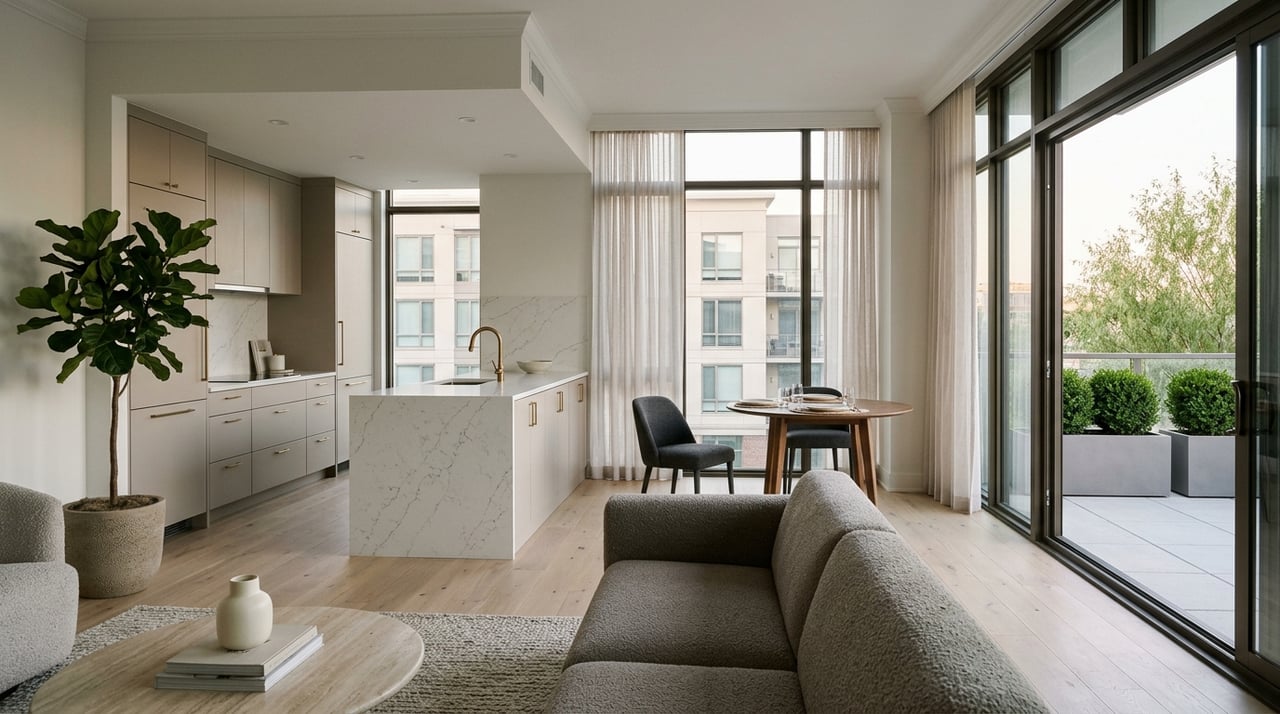
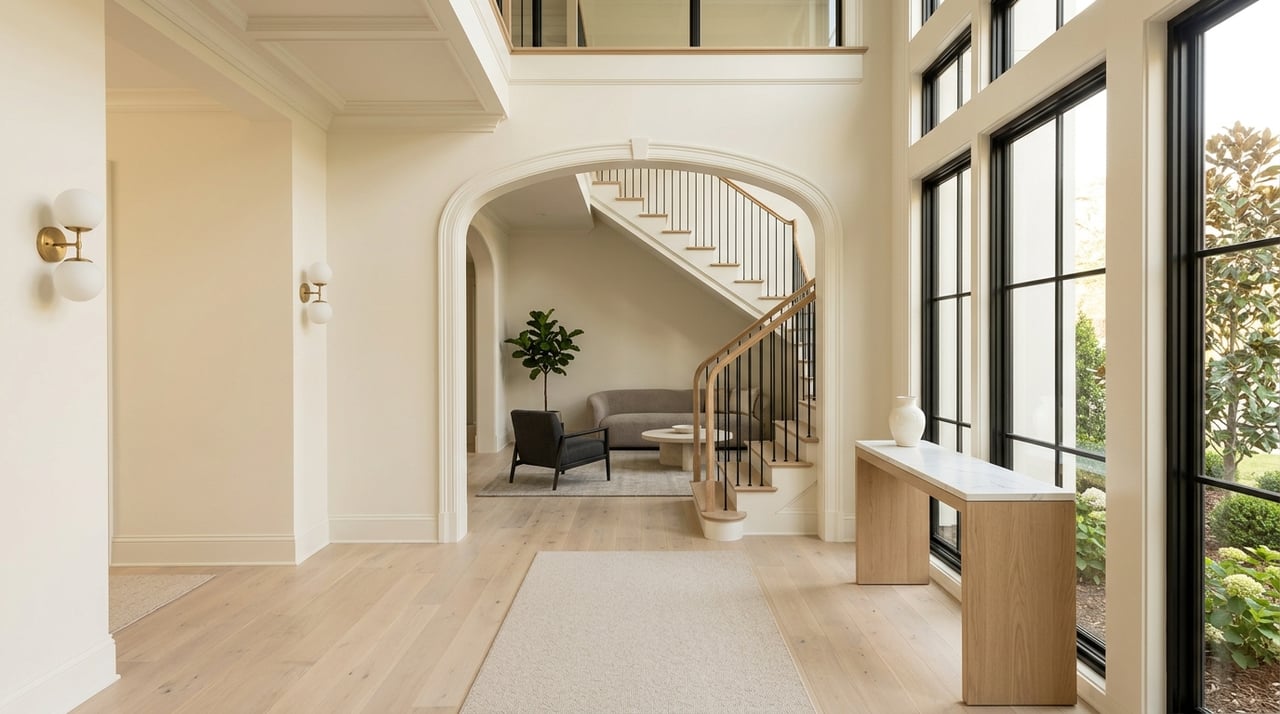
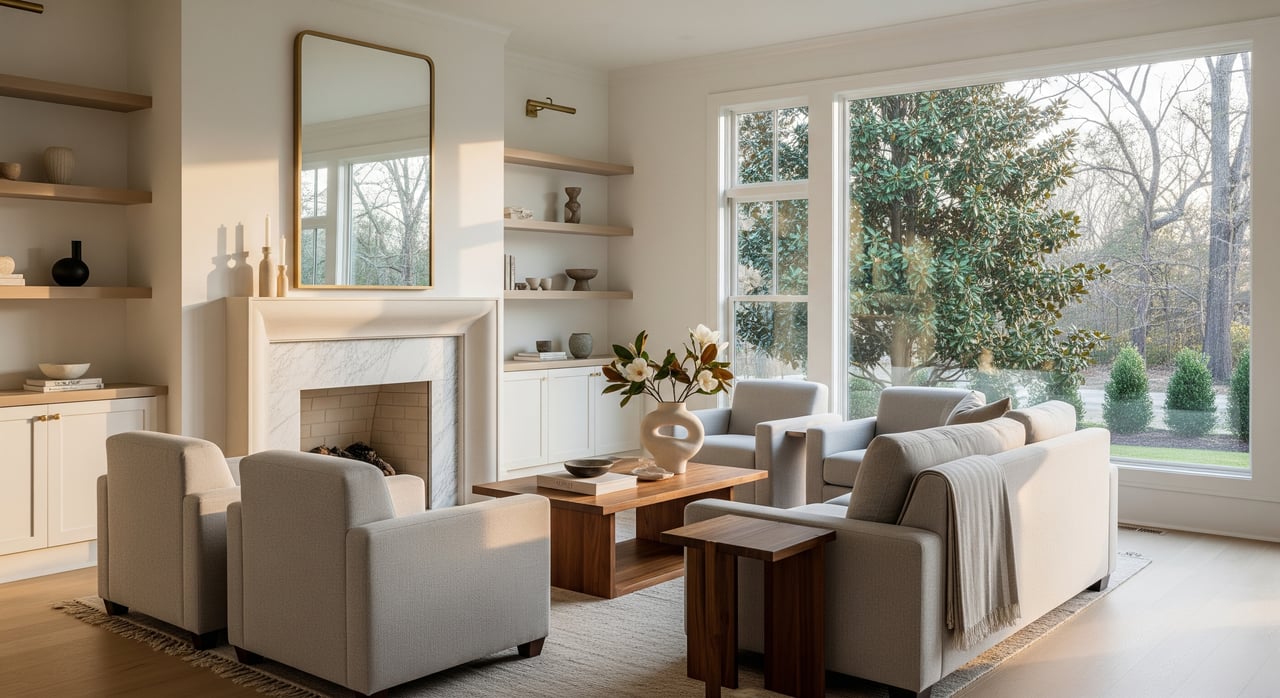
Staging should feel aspirational yet attainable. Edit and elevate your existing pieces or opt for full luxury rental if furnishings are dated or mismatched. Virtual staging can supplement for empty rooms, with clear disclosure. The aim is to spotlight volume, flow, and architectural detail while removing distractions.
Prioritize key spaces
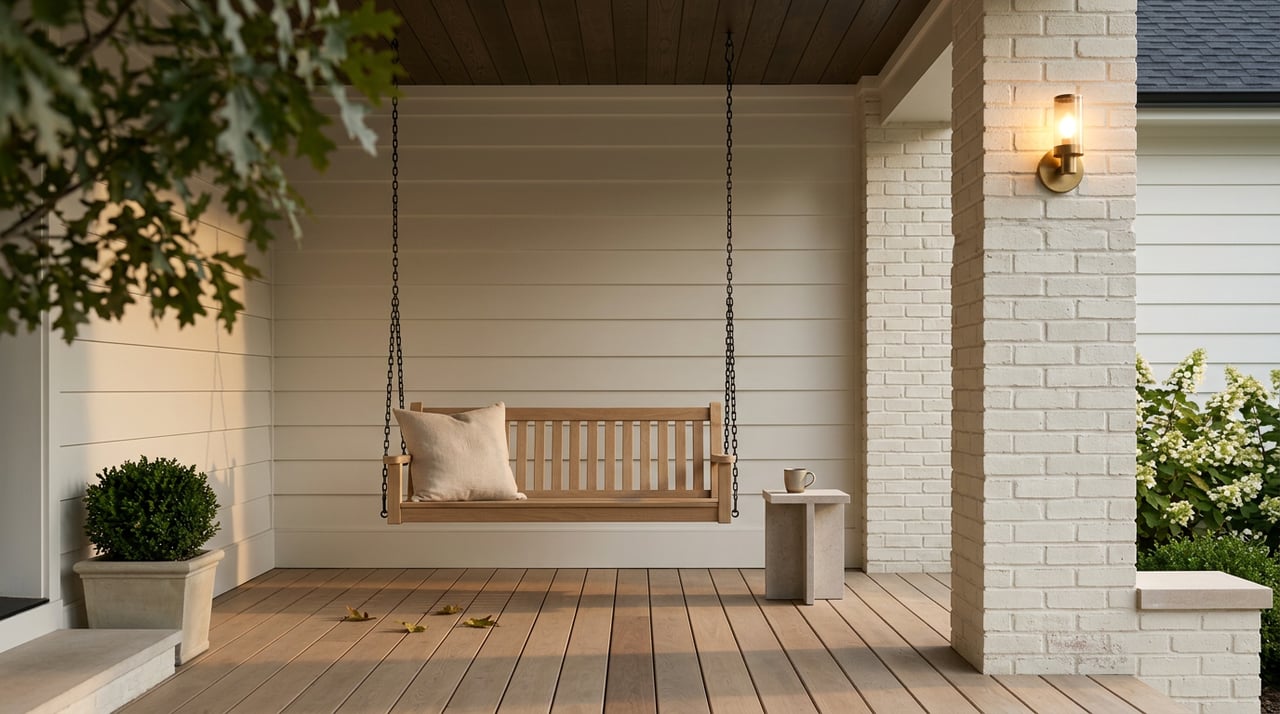
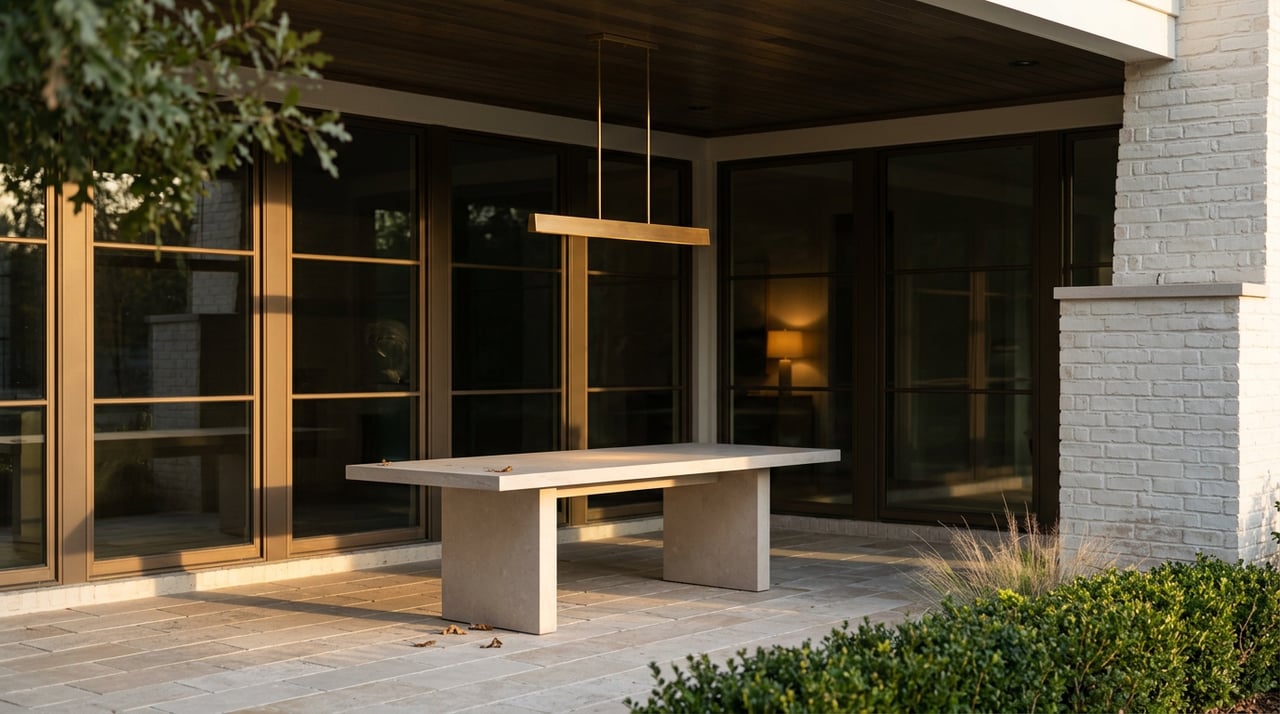
Focus on the primary suite, main living area, kitchen and dining, great rooms, and signature outdoor spaces like patios, pools, or covered porches. Secondary rooms can be staged lightly to suggest use without clutter.
Understand costs and timing
Expect a consultation and plan to run $300 to $1,000. Partial staging of key rooms often ranges from $2,000 to $8,000. Full staging for larger estates can run $10,000 to $50,000 or more depending on size and inventory. High-end rental pieces may require 2 to 6 weeks of lead time. Book early to secure the right look.
Photography and media that elevate
Professional photos are essential
Hire an experienced luxury real estate photographer. Packages typically range from $300 to $1,200 or more depending on scope. Plan for high-resolution interiors, exteriors, detail vignettes, and lifestyle moments that tell the story of the home.
Add drone, twilight, 3D, and video
Aerials help show lot size, privacy, and proximity to golf or lake amenities. Twilight photos can showcase exterior lighting, pools, and skyline views. 3D tours support remote and relocation buyers. Cinematic video can enhance marketing for $1M-plus listings. Budgets vary, but a combined media package can range from a few hundred to several thousand dollars.
Schedule the shoot like a launch
Finish staging 24 to 48 hours before photos. Complete deep cleaning and landscape touchups. Plan interiors earlier in the day and twilight exteriors near sunset. Provide a room-by-room shot list to capture special features like a prep kitchen, spa bath, office or library, wine room, or gym.
Your pre-listing timeline
Five phases, fewer surprises
- Phase 0 - Planning and team selection, 1 to 2 weeks: Interview your listing agent and meet with a stager and photographer to scope the plan and budget.
- Phase 1 - Inspections and major repairs, 2 to 8+ weeks: Order inspections, prioritize safety and systems, and schedule any needed work. Allow time if permits are needed.
- Phase 2 - Design refresh and staging, 2 to 6 weeks: Complete cosmetic updates and secure staging inventory.
- Phase 3 - Final clean and media, 1 to 2 weeks: Deep clean, finalize staging, and shoot photos, drone, 3D, and video.
- Phase 4 - Go live and showings: Launch after asset processing and syndication, typically 24 to 48 hours after the shoot files arrive.
Total pre-listing lead time for luxury homes typically ranges from 4 to 12 weeks depending on scope.
Project management that protects your time
- Centralize coordination with your agent or a dedicated project manager.
- Build a simple schedule with key milestones for inspections, permits, staging, and the shoot.
- Add a 10 to 20 percent contingency to your prep budget for surprises.
- Secure valuables, remove personal photos, and consider short-term storage during showings.
Showing strategy for high-end homes
Decide on access early. Options include appointment-only showings, controlled broker previews, and limited open houses. Prepare a polished showing package with a property brochure, amenity highlights, recent service records, and a link to your best visual assets.
Legal and local essentials in North Carolina
Disclosures and as-is sales
Sellers complete North Carolina’s required disclosure forms. You may sell as-is, but you still need to disclose known defects and avoid concealing material facts. Homes built before 1978 require a lead-based paint disclosure. Discuss details with your listing agent and closing attorney.
HOA and community documents
If your property is in an HOA or planned community, gather covenants, rules, and any resale documents early. Confirm policies that could affect a sale, such as rental restrictions for condos or gated communities.
Appraisals, financing, and comps
Unique luxury properties can be harder to appraise due to limited comparables. A recent broker price opinion, a comp set, and a summary of improvements can help appraisers and underwriters interpret value.
Taxes and closings in Mecklenburg County
Review your property tax records and recent assessments. In North Carolina, closing attorneys handle settlement. Provide permits, disclosures, and service records to your attorney in advance to avoid delays.
A simple prep checklist
- Hire a luxury-experienced listing agent and align on goals.
- Order a pre-listing inspection and any specialty inspections.
- Verify permits for past work and gather records.
- Prioritize systems and safety repairs.
- Complete a focused cosmetic refresh.
- Book a top-tier stager and secure inventory early.
- Schedule professional photos, drone, 3D tour, and twilight.
- Assemble a clean documentation packet for buyers.
- Deep clean, landscape polish, and finalize staging.
- Launch with a strong media rollout and showing plan.
Preparing your Charlotte luxury home to sell does not have to feel overwhelming. With the right plan, you can move from quiet prep to a confident launch while protecting your time and maximizing impact. If you want a design-led strategy, vendor coordination, and a polished market debut, connect with Whitley Stewart to craft a tailored plan for your home.
FAQs
What defines a luxury home in Charlotte pricing?
- Luxury is market-relative and typically represents the top tier of local sales by price, not a fixed number. Your agent can advise on the current cutoff using local MLS data.
How far in advance should I start prepping to sell?
- Plan for 4 to 12 weeks before going live, depending on inspections, repairs, staging inventory, and media scheduling.
Do I need staging if my home is already designer-furnished?
- Often a strategic edit and selective rental pieces elevate scale, flow, and lifestyle cues. A stager can refine what you have to match buyer expectations.
Should I do a pre-listing home inspection in Charlotte?
- Yes. It helps you address issues early, price confidently, reduce surprises in due diligence, and present strong documentation to buyers.
When is the best time of year to list a luxury home?
- Spring typically brings the most buyer activity, with fall as a solid alternative. Choose the window that allows proper prep and access to quality staging inventory.