If you are thinking about buying on Lake Wylie, the view is only part of the story. Waterfront homes can offer a beautiful lifestyle, but they also come with questions about docks, shoreline rules, flood risk, taxes, and even which side of the state line you are buying on. This guide gives you a buyer’s-eye view of what matters most in Lake Wylie, York, South Carolina, so you can move forward with more clarity and confidence. Let’s dive in.
Why Lake Wylie Feels Different
Lake Wylie is not a natural lake. It is a managed reservoir that spans both South Carolina and North Carolina, with 12,177 acres and 325 miles of shoreline, according to the South Carolina Department of Natural Resources.
That distinction matters when you are buying waterfront. Duke Energy owns and manages the lake, and lake levels and flows can change based on operations and scheduled recreation-flow windows, as noted in Duke Energy’s lake safety and flow information and its recreation calendar guidance.
For you as a buyer, that means lake living here is shaped by more than the lot line. Daily enjoyment, dock use, and shoreline access can all be influenced by how the reservoir is managed.
What Waterfront Buyers Should Check First
A beautiful shoreline can create excitement fast, but due diligence should happen early. On Lake Wylie, the smartest buyers verify the practical details before they get too far into a contract.
Confirm Dock and Shoreline Feasibility
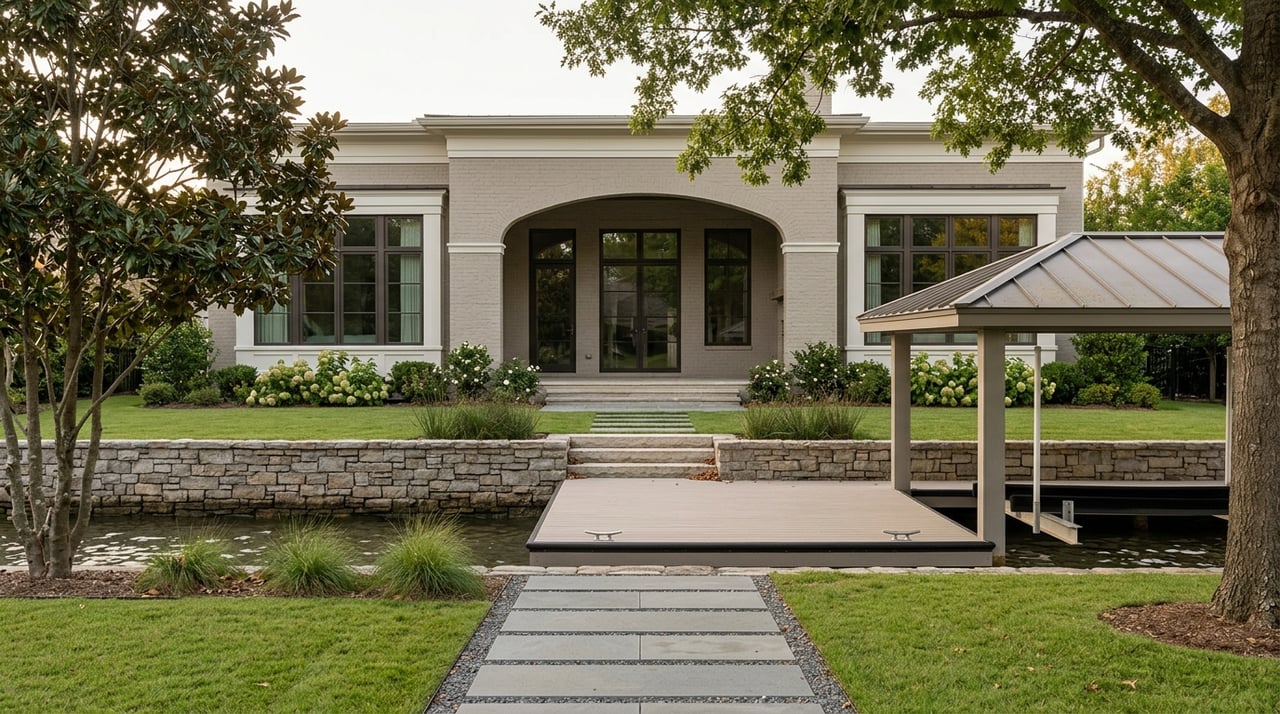
If you are considering a home with an existing dock, or you hope to add or improve one later, confirm what is allowed. Duke Energy states that work involving docks, piers, shoreline stabilization, dredging, or related activity on Duke lake property or within the project boundary may require permitting through its shoreline activities program.
That is one of the most important steps in a Lake Wylie purchase. A dock that looks simple from the water may involve rules, approvals, or site limitations that affect how you use the property.
Review Flood Maps Early
Flood risk is a separate issue from general waterfront appeal. The official source for flood-hazard information is FEMA’s Flood Map Service Center, and FEMA also notes that most homeowners insurance does not cover flood damage.
For you, this affects more than peace of mind. Flood-zone status can influence insurance costs, lender requirements, and your long-term budget, especially on lower shoreline areas, coves, or lots near drainage inlets.
Understand Local Boating Rules
Lake lifestyle often includes boating, paddlecraft, and dockside entertaining, but water rules still shape the experience. The Lake Wylie Marine Commission publishes lake-specific regulations, including idle-speed rules, a 50-foot buffer around private docks and shoreline structures, and a 200-foot wakesurfing buffer.
Those details matter if you want a calmer cove, frequent boat traffic, or easy access for water sports. It is worth understanding how the rules align with the way you actually plan to use the lake.
What Types of Waterfront Homes You’ll Find
Lake Wylie is not a one-style market. Buyers usually find a mix of more private, individualized waterfront settings and planned communities with shared amenities and managed living.
Estate-Style Waterfront Homes
Some buyers are drawn to homes with a more custom shoreline setting, larger lots, and a stronger sense of privacy. These properties often appeal if you want a more tailored waterfront experience and are comfortable with more individualized property considerations.
In this category, the shoreline itself often becomes part of the decision. Slope, dock setup, views, water depth, and shoreline improvements can vary significantly from one property to the next.
Amenity-Driven Communities
Lake Wylie also offers communities that combine access to the water with a more structured lifestyle. For example, River Hills is a long-established gated community with a marina, country club, and 24-hour security, while the broader market also includes communities centered around HOA-maintained living and shared amenities.
For many buyers, this option feels more predictable. You may trade some individuality for convenience, common-area upkeep, and a more defined amenity package.
The South Carolina Side: Why Taxes Matter
If you are focused on Lake Wylie, York County, SC, taxes deserve a close look. South Carolina uses an assessment-ratio system, and the South Carolina Department of Revenue notes that primary residences may qualify for the 4% assessment ratio, while other real estate is taxed at 6%.
That difference can materially affect your annual ownership costs. York County also reviews legal-residence classifications, reassesses property every five years, and applies different millage depending on the property and district, including special districts such as Lake Wylie Recreation.
In practical terms, two homes that feel similar may not carry the same tax structure. If you are relocating or buying a second home, it is wise to verify how the property will be classified before you finalize your budget.
Cross-Border Buying Changes the Math
Because Lake Wylie spans two states, some buyers compare the South Carolina side with North Carolina options. That is where the details become especially important.
North Carolina does not use South Carolina’s 4% and 6% assessment split. Instead, counties and municipalities apply property tax rates differently. For example, Mecklenburg County tax information shows county rates and notes that total bills may also include municipal taxes and solid-waste fees.
If you are deciding between the York County side and a North Carolina address, it helps to compare ownership costs with care rather than assuming waterfront pricing tells the whole story. Taxes, fees, and residency status can all shape the true monthly picture.
School Verification Is Parcel Specific
If school assignment is part of your home search, verify it early and by address. On the South Carolina side, Clover School District says it encompasses Lake Wylie and requires address verification through its locator tools, and the district states that Lake Wylie High School is slated to open in August 2026.
The key point is not to rely on broad neighborhood assumptions. School zoning is tied to the property itself, so it should be confirmed directly with the district during your due diligence.
That same principle applies on the North Carolina side as well, where address-based tools and enrollment verification are also required. If this factor matters to your move, it should be checked as early as possible.
A Smart Due-Diligence Workflow
When you buy a Lake Wylie waterfront home, the order of your research matters. A clear sequence can help you avoid surprises and make better decisions with less stress.
Use This Buyer Checklist
- Confirm dock and shoreline feasibility through Duke Energy’s permitting guidance.
- Check flood-zone status using FEMA maps and discuss insurance implications.
- Review boating and wakesurf rules through the Lake Wylie Marine Commission.
- Verify tax classification and local millage for the exact property.
- Confirm school assignment by address if that is part of your search.
This workflow mirrors the key issues identified in the research and helps you focus on the items that can have the biggest impact on use, cost, and long-term satisfaction.
What This Means for Your Search
The best Lake Wylie waterfront purchase is not just about finding a beautiful house on the water. It is about finding a property that supports the way you want to live, with a shoreline setup, ownership cost, and rule structure that fit your priorities.
For some buyers, that means a more private estate-style setting with a custom feel. For others, it means an amenity-focused community that makes day-to-day living simpler and more predictable.
Either way, a thoughtful process matters. When you understand how Duke Energy oversight, flood mapping, boating rules, tax treatment, and parcel-specific verification all fit together, you can shop with a more refined perspective and protect your investment.
If you are exploring Lake Wylie waterfront homes and want a tailored, concierge-level buying experience, Whitley Stewart can help you navigate the details with clarity, discretion, and a polished local perspective.
FAQs
What makes Lake Wylie waterfront homes different from homes on a natural lake?
- Lake Wylie is a managed reservoir, so water levels and flows can change, and shoreline use may be affected by Duke Energy management and permitting rules.
What should buyers verify before purchasing a Lake Wylie waterfront home?
- You should verify dock and shoreline feasibility, flood-zone status, boating rules, tax classification, and parcel-specific school assignment as early as possible.
Do Lake Wylie docks require approval or permits?
- Yes, Duke Energy says docks, piers, shoreline stabilization, dredging, and similar work on lake property or within the project boundary may require permitting.
How do flood maps affect a Lake Wylie waterfront purchase?
- Flood maps can affect insurance planning, lender requirements, and your total cost of ownership, and FEMA is the official source for flood-hazard maps.
Are property taxes on the South Carolina side of Lake Wylie different from North Carolina?
- Yes, South Carolina uses an assessment-ratio system that may tax primary residences at 4% and other real estate at 6%, while North Carolina uses county and municipal tax rates.
How should buyers verify school assignment for a Lake Wylie home?
- Buyers should confirm school assignment directly by property address using the appropriate district’s locator or enrollment office rather than relying on general area descriptions.