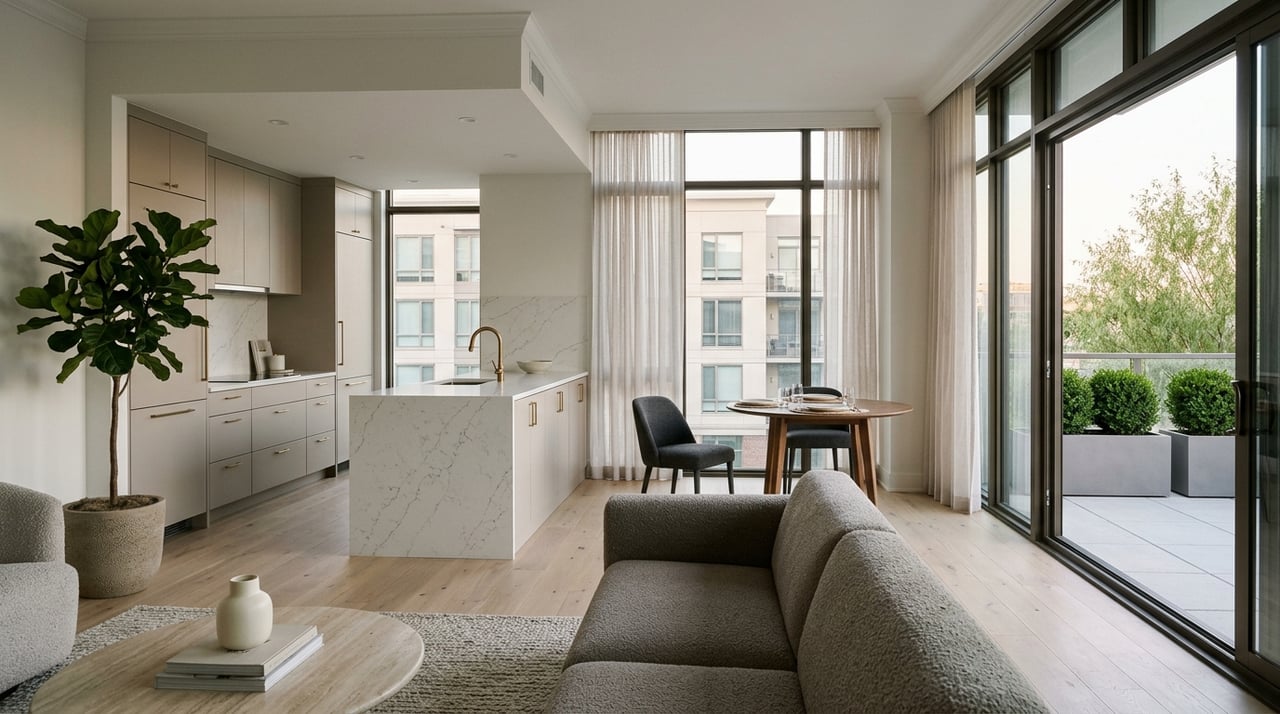
Craving a lock-and-leave Uptown lifestyle but not sure which condo or ward fits you best? Whether you want a polished pied-à-terre near games and dining, a design-forward home base with skyline views, or a quieter boutique building for downsizing, the right choice comes down to your daily rhythms. In this guide, you’ll learn how Uptown’s four wards differ, what building types and amenities really cost, how to read HOA health, and the must-check features that shape day-to-day living. Let’s dive in.
Uptown at a glance: the four wards
First Ward: parks and arts adjacency
First Ward blends newer residential pockets with access to parks and cultural venues. You’ll find mid-rise and newer buildings positioned for quick walks to green space and performances. It suits buyers who want convenience, modern layouts, and an easy stroll to the arts.
Second Ward: hospitality and convention core
Second Ward centers on hotels, the convention district, and corporate addresses. Expect larger towers, professional energy during the week, and strong access to business services. If you spend time at events or meetings, this area keeps you close to the action.
Third Ward: ballpark and entertainment edge
Third Ward sits by Romare Bearden Park and the sports venues, including Truist Field. Buildings here often market skyline, park, and stadium exposures that command premiums. It is a strong match for pied-à-terre buyers and professionals who value event-night energy.
Fourth Ward: historic residential fabric
Fourth Ward offers a residential feel with a Victorian-era streetscape and pocket parks. Boutique and low-rise options are common, often with a quieter atmosphere and a walkable path to Uptown dining. Downsizers and design-minded buyers often gravitate here for character and charm.
For a quick overview of these communities, review the area framing used by local organizations on the Uptown site. You’ll see the ward structure reflected in how buildings and amenities cluster near parks, arenas, and corporate hubs. Explore the overview at Uptown Charlotte’s communities page.
What you pay and why
Market snapshots vary by data source and date. Realtor.com reported an Uptown median home price near 379,000 dollars and a median rent around 1,850 dollars per month (December 2025). Redfin’s dashboard showed a median sale price closer to 450,000 dollars (January 2026). Providers use different time windows and neighborhood definitions, so always confirm with current MLS comps before you bid.
Inventory ranges from luxury high-rise condos and historic conversions to mid-century towers and townhome-style condominiums. That mix drives a wide spread in price, HOA dues, and services. Local resale listings often note deeded parking and storage, and HOA fees can range from the low hundreds into several hundred dollars per month, depending on the amenity package. The takeaway: compare true monthly cost and services line by line, not just list price.
Building styles and amenities
Boutique and low-rise
- Smaller communities with fewer neighbors and more privacy.
- Often historic conversions or intimate new mid-rises.
- Pros: quiet feel and easier influence on board decisions.
- Consider: smaller reserve pools can mean higher per-unit costs for big repairs.
Mid-rise and conversions
- Former office or warehouse buildings with loft layouts and character.
- Amenity packages vary from basic to mid-tier.
- A fit if you want design interest and views without ultra-luxury HOA fees.
High-rise towers
- Larger resident counts with hotel-style services such as concierge, fitness, pool, and clubroom.
- Pros: turnkey living, strong for busy professionals or pied-à-terre use.
- Consider: higher HOA dues and more complex governance; reserve strength matters.
Amenity tiers and cost impact
- Minimal: lobby and common area upkeep with lower dues.
- Mid-tier: controlled access, gym, rooftop deck, and small pool with moderate dues.
- Full luxury: 24/7 concierge, resort pool, clubroom, and on-site management with higher dues that may include some utilities or insurance components.
Views, parking, and everyday ease
Views and orientation
Skyline, park, and stadium views are real value drivers. Homes facing Romare Bearden Park, Truist Field, or Bank of America Stadium often command premiums and a vibrant atmosphere. Visit during the day and at night to check sightlines, lighting, and any event-related noise before you decide.
Parking and EV charging
Deeded or assigned parking is common and valuable in Uptown. Ask whether parking is deeded on the unit’s title or assigned by license, and verify visitor and event-day rules. If you drive daily or host often, this will shape your experience. If you own an EV, confirm whether chargers are available, how they are metered, and what future installation costs might look like.
Walkability and transit
Many Uptown addresses score very high for walkability and transit access, and some newer projects show Walk Scores in the 90s. Scores are block-specific, so pull the address you are considering and check nearby LYNX and bus connections. A five-minute difference in walking time can change your daily routine more than you expect.
Event impacts
Living near Spectrum Center or the ballpark means lively streets, great dining proximity, and occasional crowd and traffic surges. Visit a candidate building on an event night and ask management about guest parking and road closures. To understand schedules and impacts, review the Spectrum Center venue page.
Read the HOA like an investor
North Carolina has a clear legal framework for condo ownership. Condominiums formed after October 1, 1986, follow the North Carolina Condominium Act (Chapter 47C), which outlines association powers, records, and lien rules. Use this to anchor your document requests and timeline.
What to request early in due diligence:
- Current budget, recent financials, and reserve balances. If the HOA is slow to provide them, treat that as a warning sign.
- Reserve study and the funding plan for capital items. Review funding strategy, not just the monthly dues. See industry guidance on reserves from FirstService Residential.
- Meeting minutes for the past 12 to 24 months. Minutes reveal upcoming projects, disputes, and litigation exposure.
- Declaration, bylaws, and rules. Confirm pet policies, leasing caps, short-term restrictions, parking terms, and voting rights.
- Insurance policies. Clarify the master policy, deductibles, and what your HO-6 policy must cover. For context on master vs unit coverage, see FirstService Residential’s FAQs.
- Litigation and collections. Associations can record liens and, under conditions, foreclose for unpaid assessments under Chapter 47C. Factor this into title and financing timelines.
How to read the numbers:
- Low dues are not automatically good. An underfunded reserve can lead to special assessments. Industry guidance shows stronger reserves reduce that risk. A helpful primer is available from ReserveStudy.com.
- High dues may include valuable services like concierge, insurance components, water, and amenities. Consider your true monthly occupancy cost, not just dues in isolation.
Two quick checklists
If you plan to live there
- Service profile: concierge hours, package handling, on-site maintenance, and security details.
- True monthly cost: HOA dues plus property tax plus any utilities not included.
- Parking: deeded space if you commute, guest policies for visitors, and event-day access.
- Building operations: elevator age and backup, storage options, and pet relief areas.
- Noise and view checks: tour at different times, including an event night, and assess glazing and HVAC noise.
If you plan to rent or consider STR
- Rental rules: rental caps, lease length minimums, owner occupancy rules, and any waitlist for leasing.
- Short-term rental legality: review the North Carolina Vacation Rental Act (Chapter 42A) and confirm current Charlotte and Mecklenburg tax and registration steps before planning STR use.
- HOA health: five years of budgets, special assessments, and the reserve study. Small buildings with weak reserves can amplify owner costs.
- Local demand and comps: triangulate MLS rentals and local medians by date to model rent and vacancy.
- Operating constraints: pet policies, parking availability or income potential, and whether the HOA allows professional management for leasing.
How to choose your Uptown fit
Match the building and ward to your lifestyle. Pied-à-terre buyers who want to walk to games and concerts often focus near the Spectrum Center and Truist Field for energy and convenience. Downsizers who value calm parks and historic texture often land in Fourth Ward with a boutique or low-rise building and a private view. Busy executives may favor a full-service tower close to corporate hubs like the Bank of America Corporate Center at 100 N Tryon, where concierge and on-site management trim daily friction.
However you lean, put three things at the top of your list: the view and orientation you will enjoy every day, guaranteed parking that matches your routine, and an HOA with clear reserves and a transparent plan. These shape quality of life and long-term value more than any single finish or appliance upgrade.
Ready to walk through options, compare HOA packages, and pressure-test the numbers? For curated tours, white-glove guidance, and a plan tailored to your goals, connect with Whitley Stewart.
FAQs
What are the key differences among Uptown’s four wards?
- First Ward leans parks and arts, Second Ward anchors hospitality and corporate centers, Third Ward fronts the ballpark and entertainment, and Fourth Ward offers a historic residential feel. Choose based on your daily routes, not just a map.
How do HOA dues work in Uptown Charlotte condos?
- Dues fund building operations and reserves and vary by amenity level. Expect a range from low hundreds to several hundred dollars monthly. Compare what is included, reserve funding, and the history of assessments before you buy.
Are short-term rentals allowed in Uptown Charlotte condos?
- It depends on your building’s governing documents and current city and county rules. Review HOA restrictions and consult the North Carolina Vacation Rental Act, then confirm local registration and tax steps before assuming STR use is allowed.
What does deeded parking mean in a Charlotte condo?
- Deeded parking is recorded with your unit, which helps with resale certainty. If parking is assigned by license or permit, rules can change. Always review the deed or parking agreement and ask about guest and event-day policies.
How do events at Spectrum Center and Truist Field affect daily life?
- You gain easy access to games and shows but should plan for occasional crowds, road closures, and visitor parking limits. Tour during an event and review building policies; keep an eye on the Spectrum Center venue page for schedules.