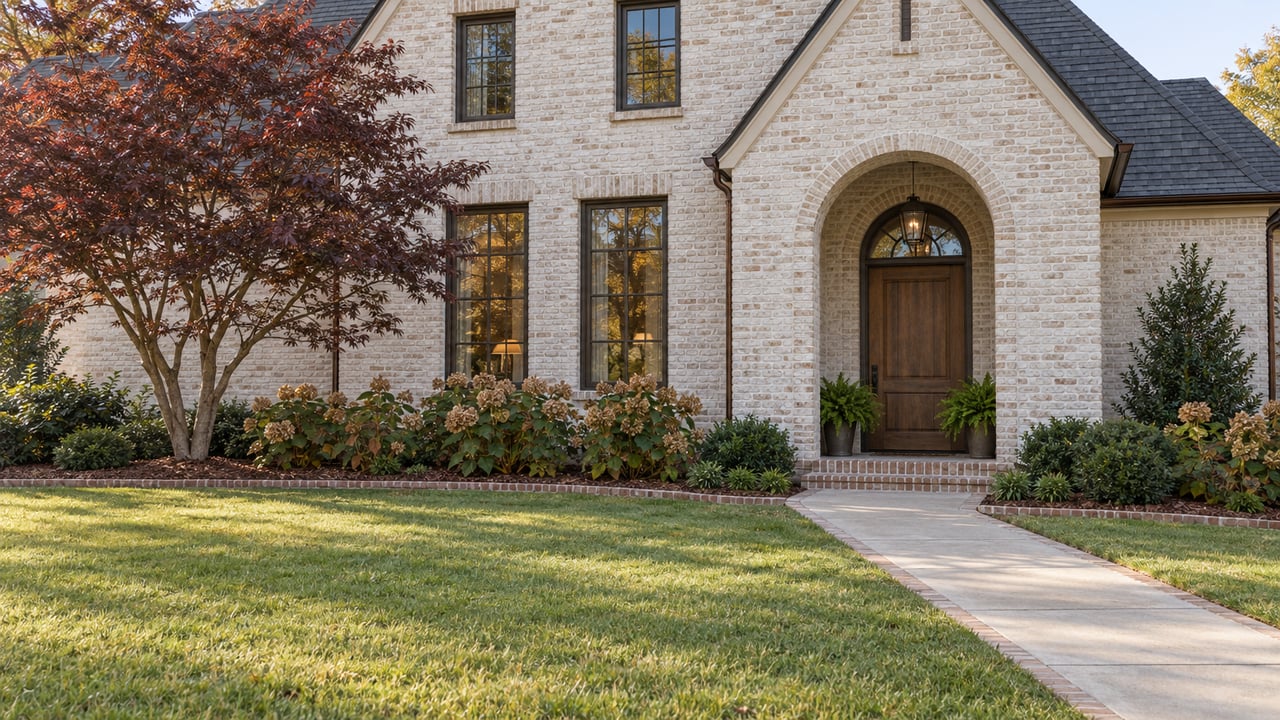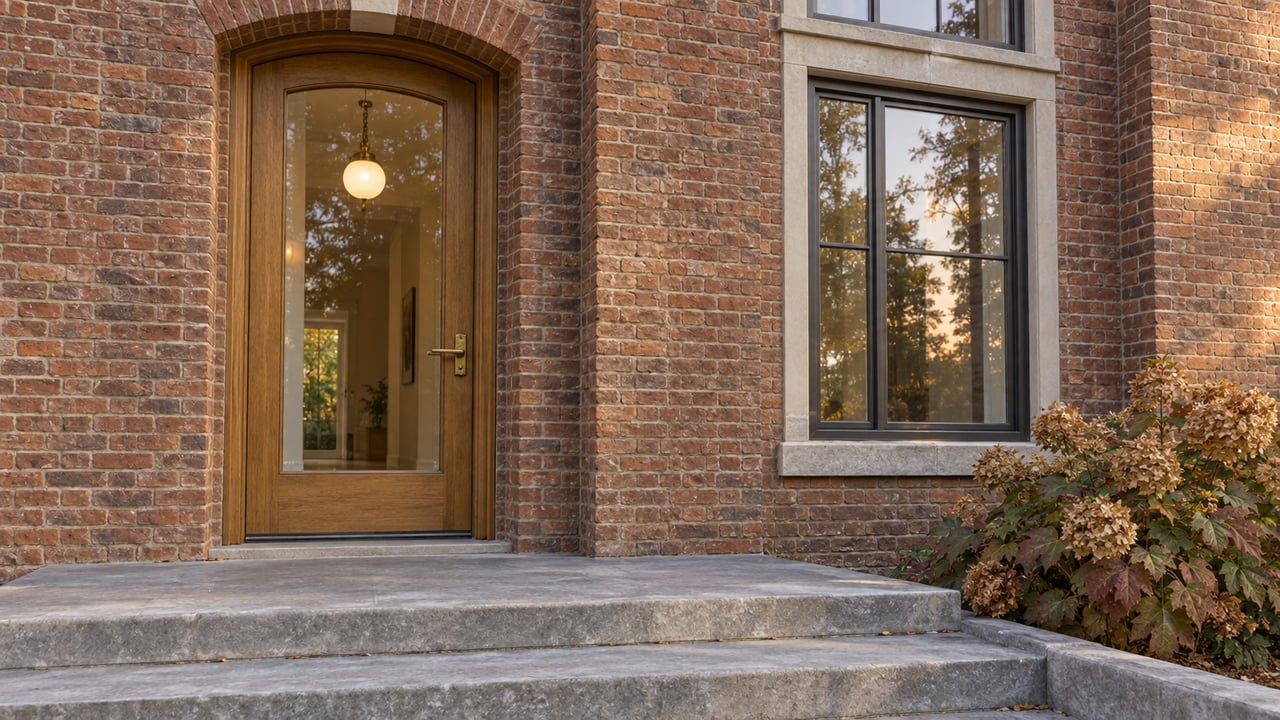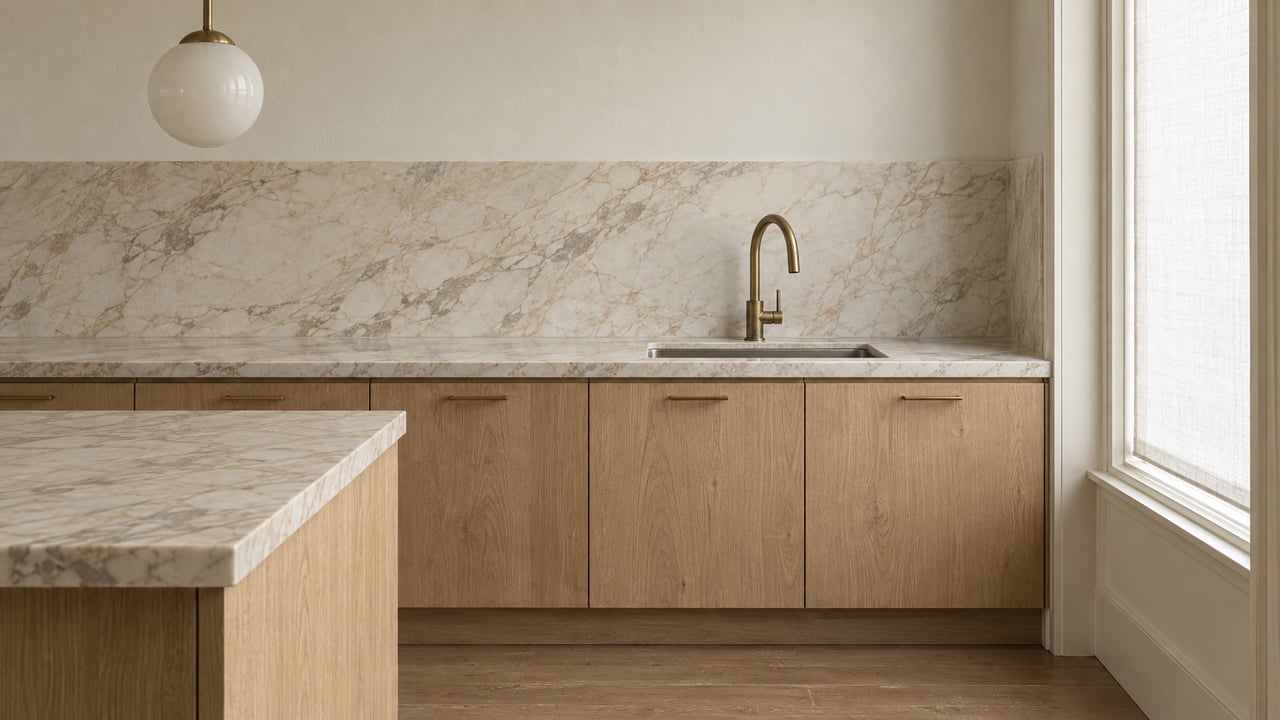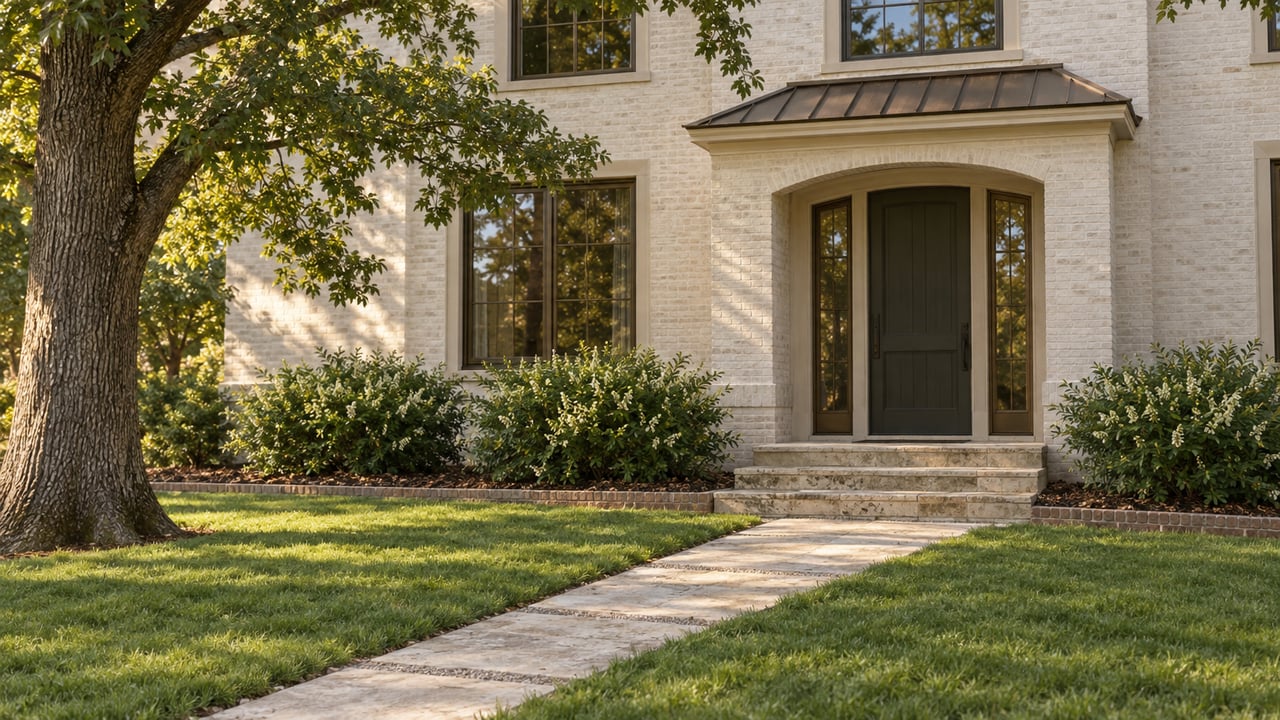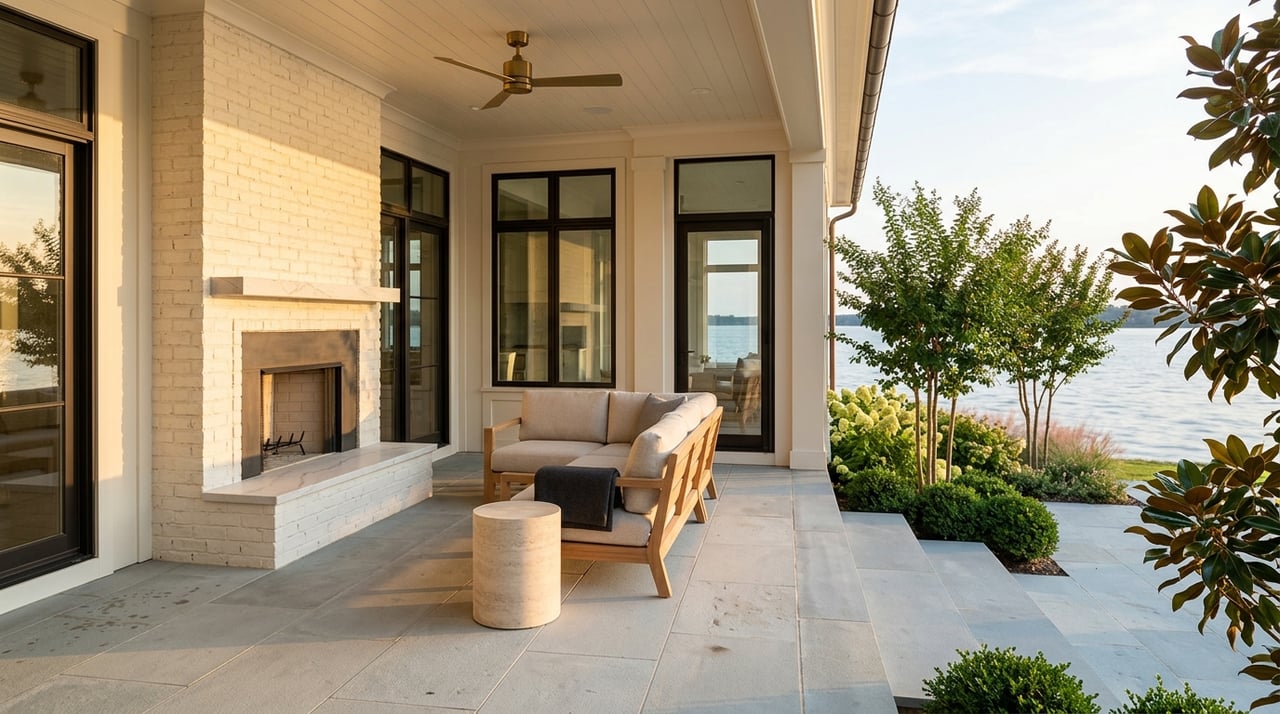
Dreaming of a lake house that feels just as inviting in January as it does in July? On Lake Wylie, that goal is not only possible, it is often what turns a beautiful waterfront property into a true full-time retreat. When you design with the lake’s climate, shoreline rules, and daily living patterns in mind, you can create a home that feels polished, comfortable, and easy to enjoy in every season. Let’s dive in.
Why year-round design matters
Lake Wylie is more than a weekend destination. The lake stretches along the Catawba River through York County and nearby counties, with 32 miles of length, 325 miles of shoreline, and 13,443 acres of surface water, according to the Lake Wylie Marine Commission.
That scale shapes how you live on the water. It also means your home needs to respond to changing conditions, not just frame a pretty view. A well-designed retreat should work on a hot summer afternoon, a cool winter morning, and everything in between.
Using Charlotte Douglas climate normals as a nearby proxy, the area sees an annual mean temperature of 61.4 degrees, a January mean of 42.1 degrees, a July mean of 80.1 degrees, about 43.6 inches of annual precipitation, and light annual snowfall. In practical terms, that supports a home with shaded outdoor living in warm months and a comfortable indoor core for cooler weather.
Start with climate-smart comfort
A year-round lake retreat begins with comfort behind the walls. The American Institute of Architects points to several design priorities for homes in extreme temperatures, including a strong thermal enclosure, thoughtful orientation, shading, operable windows, and backup power.
For Lake Wylie, those ideas translate well to luxury waterfront living. You want interiors that stay cool in summer, hold warmth in winter, and remain functional if the weather shifts or the power goes out. Design is not only about aesthetics here. It is about resilience and ease.
Focus on the home’s core
One of the smartest moves is creating a conditioned indoor core that feels welcoming in every season. This might include the main living area, kitchen, and a flexible sitting space where you naturally gather when outdoor conditions are less inviting.
A fireplace can add warmth and atmosphere, but it should not be the only plan for winter comfort. Strong insulation, quality windows, and thoughtful room placement often do more for daily livability than one dramatic feature.
Use orientation and shade well
Window placement matters on the lake. Large glass can be stunning, but west-facing exposures often need stronger shade strategies to help manage warm afternoon sun.
Covered outdoor areas, roof overhangs, and screened spaces can all help soften heat gain while preserving views. Operable windows can also support natural airflow, especially when you want fresh air without relying on mechanical cooling alone.
Create outdoor rooms, not just decks
On Lake Wylie, outdoor living is part of the lifestyle. Research from the National Association of Realtors shows why these spaces matter to homeowners and buyers. A new patio was most often valued for better functionality and livability, while a new wood deck delivered strong cost recovery, and an outdoor kitchen reached 100 percent estimated cost recovery in that report.
The takeaway is clear. Outdoor spaces are not afterthoughts. They are central to how a lake home lives and how it is perceived.
Build spaces that bridge the seasons
The most useful outdoor areas are the ones you can enjoy beyond peak summer. Covered terraces, screened porches, ceiling fans, heaters, and fire features can help stretch the season and make your home feel complete all year.
This is especially helpful in a climate with warm summers, mild winters, and occasional cold snaps. If your outdoor living space can shift with the weather, your home will feel larger and more usable every month of the year.
Think in zones
The best lakefront entertaining spaces are organized like interior rooms. Instead of one large open deck, think about how each area supports a different activity.
You may want to include:
- A seating area for conversation and sunset views
- A dining zone near the kitchen
- A prep space near the grill or outdoor kitchen
- Lighting for evening use
- Covered areas for shade and weather protection
When these spaces are defined clearly, the home feels more intentional. It also becomes easier to move from indoor living to outdoor living without friction.
Plan the shoreline carefully
At Lake Wylie, shoreline design is not just about style. It is also about regulation, water movement, and safety.
Duke Energy’s shoreline guidance says prior written approval is required for many shoreline activities within the project boundary, including shoreline stabilization, vegetation clearing, pier construction or rebuilding, planting, and excavation. That means dock and shoreline improvements should be treated as regulated projects from the start.
Design for changing water levels
One of the biggest mistakes in waterfront planning is assuming the waterline stays fixed. The Lake Wylie Marine Commission lists a target lake level of 97 feet and a minimum level of 93 feet. Duke Energy also notes that reservoir levels vary by location and can rise above the level recorded at the dam during high inflow events.
That has real design implications. Dock height, ladder access, lift choice, and shoreline steps should all be planned with fluctuation in mind. A waterfront home feels more refined when it handles variable conditions gracefully.
Prioritize shoreline stability
A polished shoreline should also be durable. Clemson Extension recommends shorescaping with native-plant shoreline buffers because they can help stabilize erosion, slow sedimentation, filter runoff, and support management of invasive weeds and habitat concerns.
Duke Energy also notes that riparian zones can reduce erosion and filter runoff. On a lake where hydrilla and alligatorweed have been documented by the Marine Commission, thoughtful planting is not just attractive. It is practical.
Design the dock and swim area for safety
The feel of your lot is shaped by more than views. It is also shaped by how boats move around your dock and shoreline.
The Lake Wylie Marine Commission notes that North Carolina idle-speed rules apply within 50 feet of private docks and piers, while South Carolina requires no-wake within 50 feet of a moored or anchored vessel, wharf, dock, bulkhead, or pier. The South Carolina rule also extends to people in the water.
Let boating rules inform layout
These rules are one reason dock placement and swim-zone planning matter so much. If you are evaluating a waterfront property or planning updates, think about how guests will enter the water, where boats will approach, and how separate zones can support both recreation and safety.
A well-planned waterfront setup often feels calmer and easier to use. That matters whether you are hosting friends for a summer afternoon or enjoying a quiet morning by the water.
Make interiors flexible and durable
A year-round retreat should support real life, not just holiday weekends. That is especially true if you plan to live on Lake Wylie full time or split your time between homes.
The most practical layouts usually include flexible spaces that can change as your needs change. A guest suite, bunk room, bonus room, or office can help the home adapt over time without losing its sense of polish.
Include a strong everyday entry
Lake living brings movement. You may be coming in with towels, jackets, wet shoes, or bags after a day on the water.
A mudroom or drop zone helps contain that traffic and keeps the main living spaces feeling calm. Durable flooring and easy-care finishes can also help the home stay beautiful with less effort.
Support both hosting and privacy
Many buyers want a lake home that works for entertaining but still feels peaceful day to day. The best plans often balance open gathering areas with quieter private spaces.
That could mean a main-level primary suite, a separate guest wing, or a bonus room that doubles as a media lounge or office. When the layout supports both connection and retreat, the home feels more complete.
Why full-time living works here
Design matters, but so does context. Lake Wylie can function as more than a seasonal escape.
The local service mix along the Charlotte Highway corridor includes groceries, medical clinics, a pharmacy, banks, and education listings in the area through the Lake Wylie Chamber directory. That supports the case for Lake Wylie as a true primary-home market, not only a weekend address.
For buyers relocating from Charlotte or out of town, this is part of the appeal. You can enjoy the visual calm and lifestyle of the lake while still having access to everyday essentials nearby.
What to look for before you buy
If you are shopping for a year-round retreat on Lake Wylie, it helps to evaluate each property through both a design lens and a practical one.
Keep these priorities in mind:
- How the home handles sun, shade, and seasonal comfort
- Whether outdoor living spaces are covered or screened
- How flexible the interior layout feels for guests, work, and storage
- Whether shoreline improvements may require approval
- How the dock and steps function with changing water levels
- How the lot supports safe boating and swim access
- Whether the home feels convenient for full-time living
When you view a lake home this way, you move beyond surface beauty. You start to see whether the property can truly support the lifestyle you want.
A thoughtfully designed Lake Wylie home should feel effortless in every season, elegant without being rigid, and ready for both quiet mornings and lively weekends. If you are exploring waterfront living or preparing to position a lake property for the market, Whitley Stewart offers a design-minded, white-glove approach tailored to the Lake Wylie lifestyle.
FAQs
Is Lake Wylie suitable for full-time living year-round?
- Yes. The regional climate, paired with nearby daily services like groceries, medical clinics, pharmacies, and banks, supports Lake Wylie as a realistic full-time living option.
Do Lake Wylie water levels stay the same all year?
- No. The Lake Wylie Marine Commission lists a target lake level of 97 feet and a minimum level of 93 feet, and Duke Energy notes that water levels can vary by location on the reservoir.
Do you need approval for dock or shoreline work on Lake Wylie?
- Yes. Duke Energy requires prior written approval for many shoreline activities within the project boundary, including some dock, stabilization, planting, clearing, and excavation projects.
What outdoor features add the most value to a Lake Wylie retreat?
- Patios, decks, and outdoor kitchens stand out because they improve functionality, livability, and enjoyment of the home, according to NAR’s outdoor remodeling research.
How should you design a Lake Wylie home for all seasons?
- Focus on a strong thermal enclosure, thoughtful shading, operable windows, flexible indoor spaces, and outdoor rooms like screened porches or covered terraces that stay useful across changing weather.
Are boating rules the same across all parts of Lake Wylie?
- No. Lake Wylie spans both North Carolina and South Carolina, and the idle-speed or no-wake rules near docks, vessels, and people in the water differ by state.